Scheduling an Exterior Paint Job Around Long Beach Weather
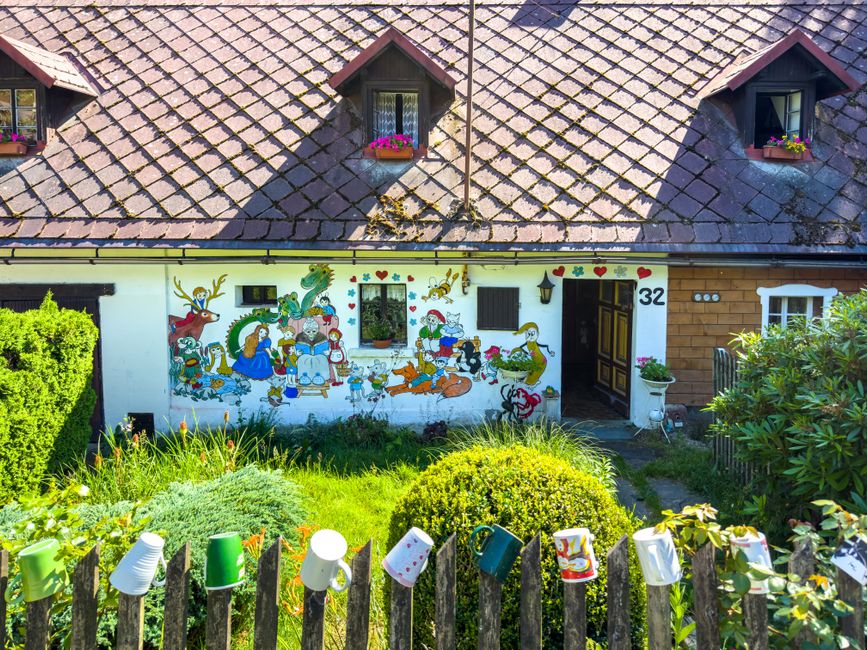
Three days of washing, drying and priming come before one afternoon of topcoat, and a calendar that skips them loses the week. Exterior painting in coastal Los Angeles County runs on the weather more than on the crew, as the notes at long beach painting contractor anytime mailer describe, and a painter booking a job in Long Beach, CA plans around fog, wind and dew.
May gray and June gloom
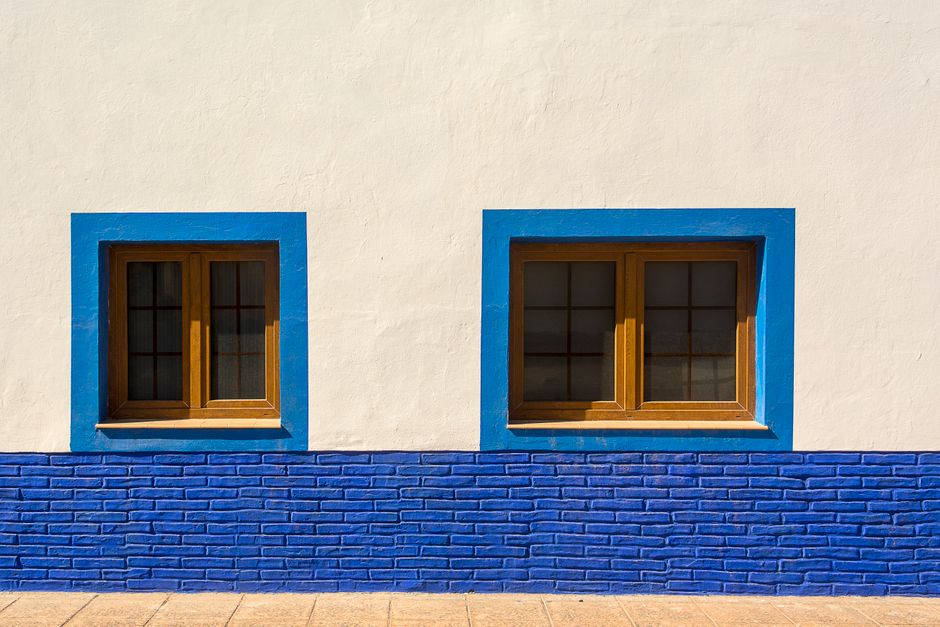
In late spring the marine layer sits over the city until noon or later, and surfaces stay damp well past the time a crew would normally start. Paint applied to a damp wall dries slowly and clouds, so the first coat waits until a moisture check and the surface temperature agree. Mornings are used for washing and prep, and the coating goes on after the sun clears the layer.
Drying time after a wash
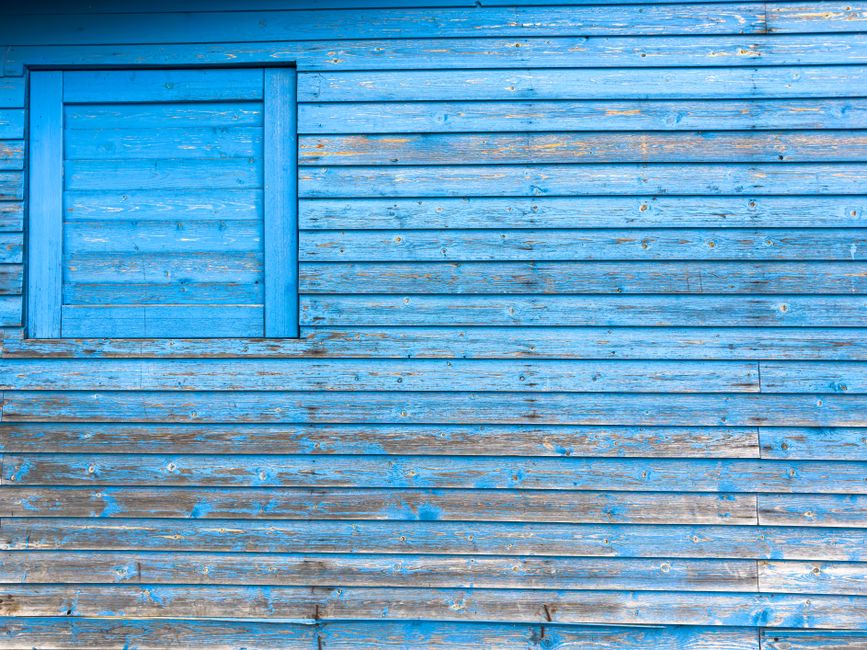
Stucco holds water far longer than wood, so a washed wall waits two or three clear days before primer goes on, and a wall that was only rinsed on a dry day can be ready sooner. Wood trim dries faster but moisture meters keep the guesswork out. Patching with elastomeric filler and caulk adds its own cure time on top of the drying time.
Wind and dust near the port
Afternoon wind off the water carries grit from the Port of Long Beach and the freeway side of town, and it lands on wet paint. Spraying in wind also throws overspray onto cars and neighboring fences. A sprayer is shut down when the wind picks up, and wet coats are timed so the last passes dry in the calmer part of the day.
Coat intervals on doors and fences
Doors and fences take the weather on both faces, so the gap between coats matters. A second coat on a fence goes on once the first is dry to the touch and past the recoat time on the can, which is longer in cool damp air. A door gets overnight between primer and topcoat, and again between two coats of enamel.
Santa Ana days
A Santa Ana wind dries paint far faster than the label expects, and the coat skins over before it levels, leaving brush marks and lap lines. Those days are better used for prep work in the shade or for interior cut in work. Once the wind drops, the exterior coats go on, and the fall months often give the most dependable stretch of dry, calm days.