When to Repaint Exterior Trim and Eaves by the Coast
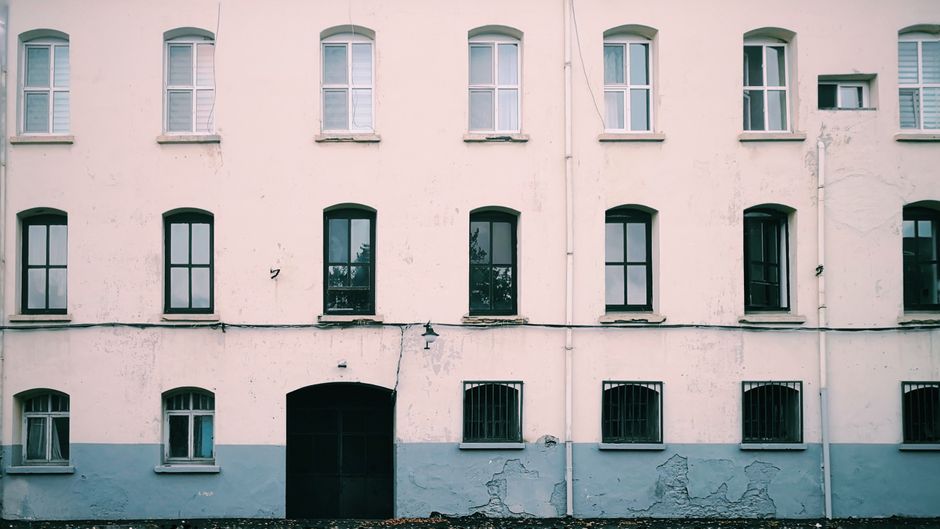
Two fingers drawn across a painted fascia board that come away chalky and white mean the binder in the paint has broken down. Every teardown logged by long beach painting contractor anytime mailer shows the same order of failure on exterior wood, and a painter in Bixby Knolls or California Heights, Long Beach, CA, learns to read it from the ground before a ladder goes up.
Chalking and fade
Chalk is the first stage. The surface still looks painted, but the resin has worn off and the pigment sits loose on top. It is washed off and sanded lightly, and a coat of acrylic goes over it. Chalk on a surface is a warning rather than an emergency, and repainting at this point takes the least labor of any stage.
Hairline checking

Fine cracks that run across the grain mean the film has gone brittle and stopped flexing with the board. Moisture enters through every one. Checked paint is sanded back until the edges of the cracks are smooth, spot primed where bare wood shows, and finished with two coats of acrylic latex. If checking is left, it turns into lifted flakes within a season or two.
Lifted edges and open joints
Paint that lifts at a board end or around a window casing has lost adhesion, and a scraper tells how far the problem runs. Open caulk joints at corners and where trim meets stucco let water behind the board. Old caulk is cut out, the joint is primed, and new paintable caulk goes in before the topcoat. Caulk over loose paint pulls away again, so scraping always comes first.
Bare wood at drip edges
The edges that shed water, such as the lower edge of fascia and the sill of a window, fail first because water sits on them. Bare wood at those spots is sanded, primed on every face, and given extra paint on the edge. Wood left bare through even one wet winter takes up water that blisters whatever goes over it, so the board dries out before any primer.
Salt film under the eaves
Rain washes the face of a house, but the underside of an eave near the coast stays out of the weather and collects a gritty salt film from the air off the Pacific. Paint does not stick to that film. Eaves are rinsed and scrubbed with a brush before sanding, and a quick wipe with a damp rag shows whether any film is left before the primer goes on.